Simple Two Floor Arab House Dark Pattern Review
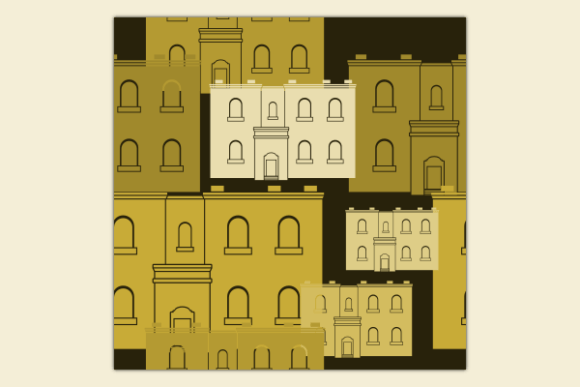
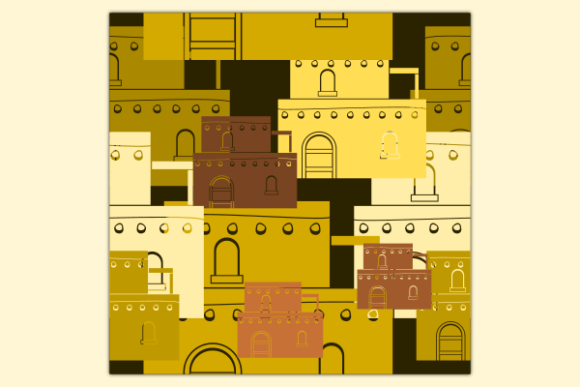
As a designer who has spent years translating digital vectors into tangible stitched goods, I approach every new asset with a critical eye. The market is flooded with generic motifs, so finding a machine embroidery design that balances cultural authenticity with modern utility is rare. When I first opened the file for the Simple Two Floor Arab House Dark Pattern, my initial thought was about its potential as a seamless background rather than a standalone icon. This editable SVG vector presents a flat monochrome style front view of traditional simple two floors Arab houses, rendered in various colors against a dark background. It falls squarely into the Patterns and Graphics categories, but its true value lies in how it performs when converted from a screen image to a physical thread application.
The Mood and Visual Personality of the Design
The aesthetic here is strikingly modern yet deeply rooted in tradition. The flat monochrome style strips away unnecessary ornamentation, focusing on the geometric rhythm of the architecture. In the context of embroidery, this simplicity is a double-edged sword; it offers clean lines that are easier to stitch, but it demands precision to avoid looking "empty." The dark background mentioned in the description suggests a high-contrast visual impact. When I visualize this as a finished product, the mood is sophisticated and slightly mysterious. It evokes the feeling of a night sky over an old medina, which makes it perfect for boutique branding or high-end home decor.
For an Etsy seller or a small shop owner looking to differentiate their inventory, this design stands out because it avoids the cliché of bright, saturated tourist souvenirs. Instead, it leans into a chic, urban vibe. The seamless nature of the pattern allows for repetition without obvious breaks, which is crucial when creating large surface area designs like pillow covers or tote bags. However, the success of this project hinges entirely on how well the stitch density is managed during the digitization process.
Real-World Application: A Custom Tote Bag Scenario
Let's walk through a practical scenario. Imagine you are preparing a custom embroidered tote bag for a local artisan fair. You want the bag to feel substantial and culturally rich without being heavy. Using the Simple Two Floor Arab House Dark Pattern as the primary motif on a black canvas tote creates an immediate statement. Because the design features a dark background, you would likely use a satin stitch or a very dense fill stitch in black thread to create the base, followed by lighter thread colors for the house outlines and architectural details.
In this specific case, the tote bag design benefits from the flat style. Complex shading often gets lost in the texture of canvas, but bold, flat shapes translate beautifully. The customer reaction would likely be positive due to the unique silhouette. It moves beyond a standard logo placement and becomes a piece of wearable art. If you were to adapt this for sweatshirt embroidery, perhaps on the back of a heavyweight hoodie, the dark background would blend seamlessly with charcoal or navy fabric, making the lighter architectural lines pop. This versatility is what makes the digital embroidery file a valuable asset for a craft business.
Navigating Technical Challenges and Fabric Choices
While the design is visually appealing, there are specific areas where caution is required. The "dark background" aspect implies a significant amount of fill stitching. On thin fabrics like silk or lightweight cotton, this level of density can cause puckering, distorting the shape of the house illustration. For such materials, a heavy-duty stabilizer is non-negotiable. I always recommend testing the design on scrap fabric first to ensure the tension holds up under the weight of the thread.
Another consideration is the hoop size. Since this is a seamless pattern intended for repetition, you need a hoop large enough to capture the flow of the design without cutting off key architectural elements awkwardly. If you attempt to shrink this design for a small cap or a baby item, the intricate details of the two-floor structure may become muddy. Tiny lettering or fine lines in the original vector might not survive the translation to thread if the scale is reduced too drastically. Therefore, while it works well for large items like blankets or nursery decor panels, it is less suitable for small patches unless you simplify the vector further before digitizing.
Texture also plays a role. On textured fabrics like denim or linen, the flat monochrome style actually shines because the fabric grain adds depth to the smooth threads. However, on stretchy fabrics used for athletic wear, the rigid geometry of the houses could distort with movement. In those cases, using a flexible adhesive backing or adjusting the stitch type to include more running stitch for flexibility might be necessary.
Enhancing Product Value and Brand Consistency
From a commercial perspective, using the Simple Two Floor Arab House Dark Pattern elevates the perceived value of a handmade product. Customers today are looking for uniqueness. A generic floral print is common, but a stylized architectural pattern signals a curated, thoughtful brand identity. This design helps build customer trust by showing attention to detail and cultural appreciation.
For personalized gifts, this pattern offers a neutral yet elegant backdrop. You could embroider a name or a date in a contrasting color over one of the houses, turning a decorative pattern into a keepsake. The design assets provided allow for color variations, meaning you can tailor the thread colors to match a wedding palette or a holiday theme. This flexibility is essential for commercial embroidery projects where client specifications vary widely.
When listing these items online, the visual appeal of the mockup is critical. Since the design relies on contrast, ensure your printable mockup clearly shows how the light threads stand out against the dark background. Buyers need to see the dimensionality of the stitch work. A flat photo might make it look like a print, whereas a close-up video or high-res image reveals the texture of the fill stitch and the crispness of the applique design elements if you choose to layer them.
Practical Designer Notes for Success
Before committing to a production run, I advise every maker to follow a strict checklist. First, confirm the licensing terms. While the description mentions it is an editable SVG, selling finished items or reselling the embroidery file itself requires clear permission. Do not assume a free download includes commercial rights. Second, test the design in black and white mockups to verify the contrast levels. Sometimes, a color combination that looks good on a screen fails to provide enough definition when stitched.
Third, inspect the small details. In a flat monochrome style, the edges of the houses must be sharp. If the digitization is poor, you will get jagged edges or floating threads that ruin the professional look. Finally, consider the washing durability. Dense fill stitches on a dark background can sometimes snag or fade faster if not secured properly. Use quality thread and ensure the finished product is backed correctly.
The Simple Two Floor Arab House Dark Pattern is a powerful tool for designers willing to put in the technical groundwork. It transforms standard apparel into conversation starters and adds a layer of sophistication to home goods. Whether you are a hobbyist creating a unique holiday gift or a seasoned entrepreneur launching a new line of custom apparel, this design offers a fresh perspective on traditional motifs. By respecting the limitations of the medium and leveraging the strengths of the pattern, you can create products that are not only beautiful but also durable and commercially viable.