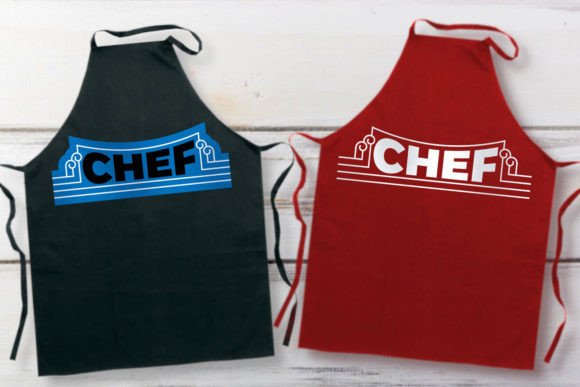
Chef with Art Deco Border SVG: Graphics & Crafts
First Impressions of an Art Deco Kitchen Icon
As a digital publisher who has spent years curating visual identities for content websites, I know that the first thing a reader notices is not your headline, but your imagery. When I first opened the Chef with Art Deco Border SVG, I was immediately struck by its blend of nostalgia and modern utility. This graphic design asset captures a specific editorial mood that feels both sophisticated and welcoming. The phrase "Saying yes to the chef" has replaced the old adage about kissing the cook, and this design perfectly encapsulates that shift in culinary culture. It moves away from the cluttered, cartoonish clip art of the past and embraces a cleaner, more stylized aesthetic.
The Art Deco influence here is subtle yet powerful. It suggests a lifestyle-focused niche where cooking is treated as an art form rather than a chore. For bloggers in the food, home decor, or lifestyle categories, this asset provides a sense of polish that elevates the entire page. It feels professional yet playful, striking a balance that is often difficult to achieve. Whether you are designing a digital guide on gourmet recipes or creating a newsletter banner for a cooking class, the decorative border adds a layer of visual interest without overwhelming the text.
Elevating Your Editorial Design Workflow
In my real-world publishing workflow, I rarely rely on stock photos alone. I need custom graphics that can be adapted across various platforms. The Chef with Art Deco Border SVG fits seamlessly into this process. Because it is an SVG file, it scales infinitely, which is crucial for web design where we need the same image to look crisp on a high-resolution desktop monitor and a small mobile screen.
I have used similar assets to create featured images for blog posts about kitchen organization, chef knife reviews, and seasonal holiday menus. The ability to use the design with or without a background makes it incredibly versatile. You can place it over a textured linen background for a rustic feel or set it against a solid color block for a bold, modern statement. This flexibility is essential for maintaining a consistent brand identity across different types of content.
- Blog Featured Images: Use the graphic as a central element in your hero section to instantly communicate the topic of the post.
- Pinterest Pins: Combine the word CHEF with vertical text overlays to create high-click-through pins that stand out in crowded feeds.
- Newsletter Headers: Incorporate the design into your email templates to give your subscribers a premium, curated experience.
- Digital Guides and eBooks: Place it on the cover of downloadable resources like meal planning guides or recipe collections.
Visual Hierarchy and Reader Trust
One of the most critical aspects of content marketing is establishing trust. A website that looks amateurish will struggle to convert visitors into readers or customers. The Chef with Art Deco Border SVG helps build that trust by signaling attention to detail. When a reader sees a well-designed graphic, they subconsciously assume the content behind it is equally high-quality. This is particularly important for affiliate marketers who are promoting high-ticket kitchen appliances or cookware. A polished visual presentation increases the likelihood of a click-through because it feels like a recommendation from a peer rather than a generic advertisement.
The decorative border creates a natural frame, guiding the eye toward the central message. This improves visual hierarchy, ensuring that the viewer understands the importance of the content immediately. In a sea of minimalistic web design, this touch of ornamentation can make your site memorable. It acts as a signature element that ties together disparate pieces of content, from social media graphics to printable designs.
Strategic Applications for Small Business Branding
For creative entrepreneurs and small business owners, every design asset must pull its weight. This particular graphic is perfect for those looking to expand their digital product offerings. Imagine using it as part of a Canva template for other food bloggers or as a key element in a series of printable designs for a kitchen planner. The Art Deco style lends itself well to vintage-inspired branding, making it suitable for businesses selling aprons, kitchen linens, or artisanal food products.
When I review design assets for my own projects, I look for versatility. Can this one file serve multiple purposes? With the Chef with Art Deco Border SVG, the answer is a resounding yes. It works as a standalone logo mark, a watermark for photography, or an accent in a larger composition. For instance, you could use it to highlight a category page on your website, giving your "Kitchen Essentials" or "Chef Tips" sections a distinct visual identity.
Where to Use Carefully
While this asset is powerful, it is not a cure-all. There are scenarios where it should be used with caution. If your website relies on a strictly minimalist visual system with very little decoration, this ornate border might feel out of place. Similarly, in serious professional niches that require a stark, corporate look, the playful nature of the "Yes to the Chef" theme might undermine the tone. Always test the graphic against your existing color palette and typography before committing to it across your entire site.
Avoid using it in low-contrast environments where the details of the border might get lost. On mobile devices, ensure that the text remains legible when the image is scaled down. Sometimes, the intricate lines of an Art Deco design can become muddy on smaller screens if the resolution or contrast is not managed correctly.
Practical Publisher Notes and Technical Checks
Before integrating any new graphic into your publishing stack, run through a standard checklist. First, verify the commercial license. Ensure you have the rights to use this Chef with Art Deco Border SVG on monetized websites, affiliate pages, and paid content products. Using assets without proper licensing can lead to legal issues and damage your reputation.
Next, test the file size. While SVGs are generally lightweight, complex paths can sometimes bloat the file. Optimize the code if necessary to ensure fast load times, which is a critical factor for SEO and user experience. Preview the graphic in black and white to check for readability issues, especially if you plan to use it in print materials or grayscale newsletters.
Experiment with typography. Try pairing the graphic with different font styles—serif for a classic look, sans serif for modernity, script for elegance, or handwritten fonts for a personal touch. See how the Chef with Art Deco Border SVG interacts with these choices. Does it complement the font, or does it compete with it? Finding the right combination is key to creating a cohesive brand identity.
Final Thoughts on Creative Design Assets
In the competitive world of online publishing, standing out requires more than just good writing; it demands excellent visuals. The Chef with Art Deco Border SVG is a prime example of a creative design asset that bridges the gap between functional web design and artistic expression. Whether you are building a portfolio of Crafts, launching a new blog, or refreshing your social media graphics, this tool offers a professional edge. By incorporating such thoughtful elements into your content strategy, you not only improve the aesthetics of your site but also enhance the overall reader experience. Remember, in digital publishing, every pixel counts, and choosing the right graphics is a vital step toward success.